The concepts you use to think and talk about your work set the boundaries of what’s possible. Here are some examples of the way building a new set of concepts can be transformative, and a simple outline of the process and price.
The concepts you use to understand your work set the limits of what’s possible.
No matter how complex your work, how varied your communities, or how urgent your mission, there’s a set of core concepts that underlies all of it — the ideas that allow you and others to understand what you do and why.
If you’ve never thought intentionally about the concepts at the heart of your work, you might be surprised to find that your team simply doesn’t agree about the most basic things — and that lack of shared understanding is absolutely holding you back.
“A game-changer”
My agency hired Ash to provide communication consulting services for us. His guidance and insights have been a game-changer. He led us through a well-developed process that generated a very practical but aspirational toolkit, which I imagine we’ll be using for years to come — as both an internal compass, and as our external rosetta stone.
— Chris Ignizio, 2021
Creative Director, Scope & Sequence
Here are a few examples of what concept kits can do in philanthropy, healthcare, the public sector, and healing.
Concepts for philanthropy
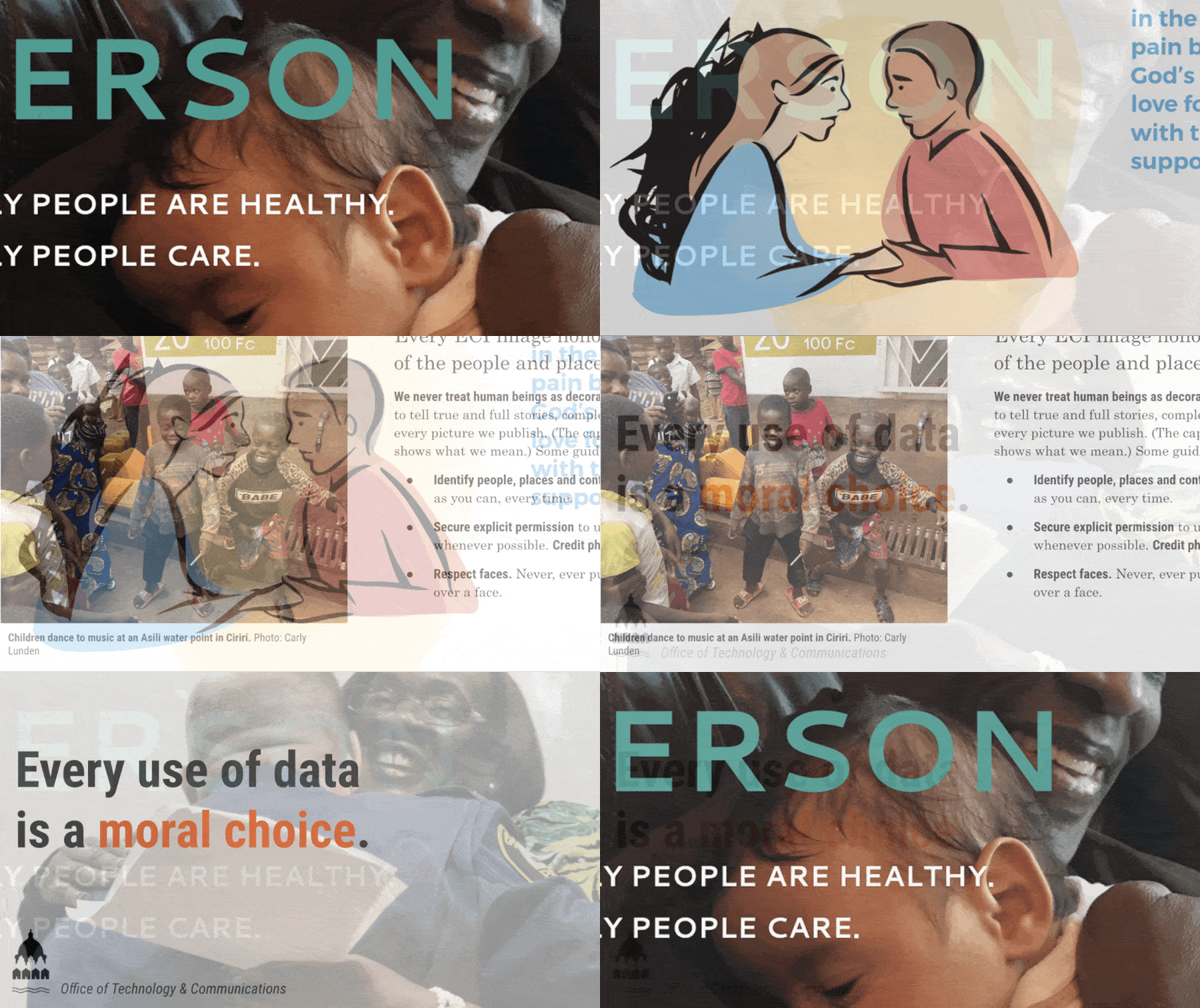
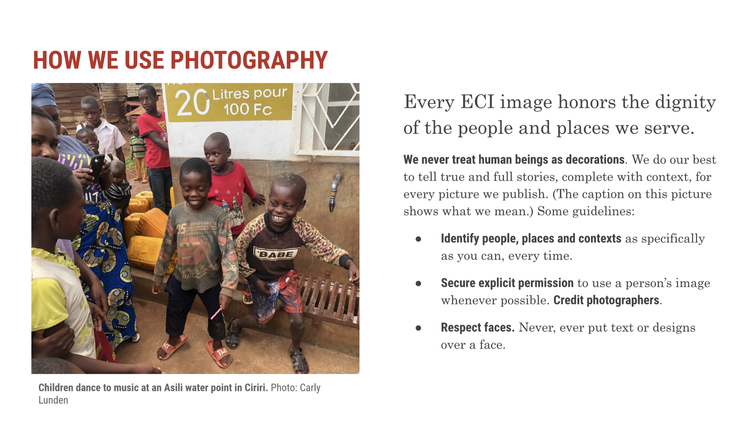
Far too often, global development organizations with the best of intentions end up talking about their work in ways that dehumanize the very people they hope to help. In 2020, Eastern Congo Initiative wanted to refresh their brand and communications in a way that brought their deepest organizational values to life. That’s what this concept kit is for.
Concepts for healthcare
Breaking through decades of inhuman jargon
Sometimes, the only way to start new conversations is to create a new kind of language for it. That’s what Minnesota’s nonprofit health insurers asked me to do for their industry — and this is the radically new set of ideas we created together.

Concepts for the public sector
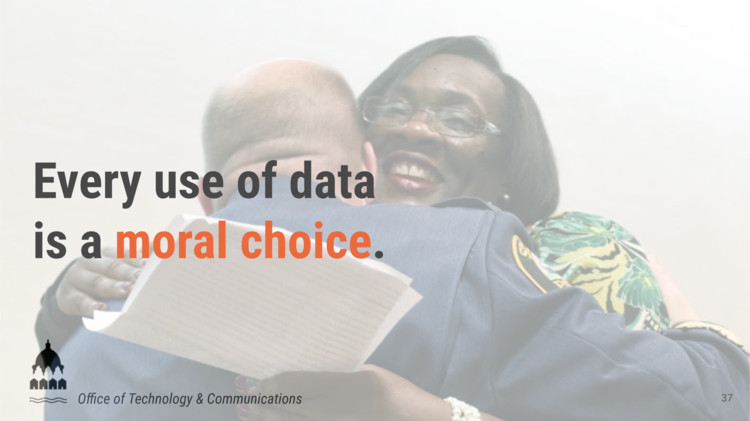
I’ve been teaching for going on two decades now, and I’ve learned how to use language as image to make ideas easier to remember. I built this training deck from the ground up to help the City of Saint Paul train 12,000 employees about data culture.
Concepts for healing
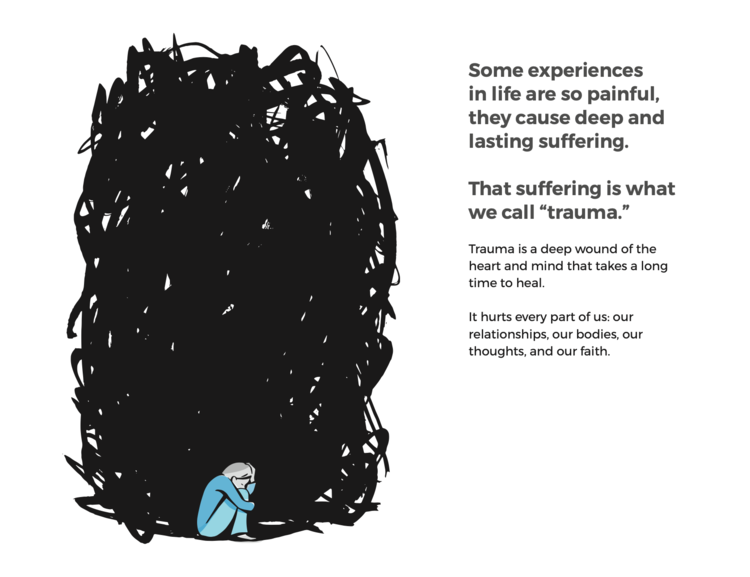
Sometimes, ideas are so new and deep that only new images will do. Here, I worked with Luminary Lab and the brilliant illustrator Cicely Combs to distill a simple, beautiful and truthful series of words and pictures, designed to make sense anywhere in the world people are suffering.
Price and process
For a fixed fee of $3,500, here’s how we’ll build your concept kit:
- To begin, I’ll review materials you give me about your work so I can get a sense of where you’re at and where you’re going.
- Next, I’ll facilitate a two-hour workshop with a team you convene to generate an emergent consensus about the ideas that underlie your work—and how you understand them.
- After that, I’ll deliver a presentation with a draft of your kit. Often, folks end up with kits that include these elements:
- Mission statement. You can use this language on your website and marketing materials, in conversations with clients and potential clients, and — crucially — in your internal conversations about your work.
- Statement of values. This language will help you make decisions about how you want your business to operate, day in and day out.
- Set of core concepts. This flexible, modular kit of conceptual tools will be ready to use in any future communications, from web copy to strategic planning.
- Finally, after one round of revisions in the presentation (if any are needed), I’ll deliver the final concept kit, which you can start using right away.